HOOK
Thinking your down payment is the biggest number you need? [B-roll: couple staring at a home listing, calculator on table] For a lot of buyers, that’s not even the full picture. The real surprise is how many extra costs show up before and right after closing.
KEY POINT 1
First, there are closing costs. [B-roll: signing papers, stack of documents] These can include lender fees, title insurance, appraisal, and escrow charges. Depending on the loan and location, they can add up fast, so always ask for a Loan Estimate early.
KEY POINT 2
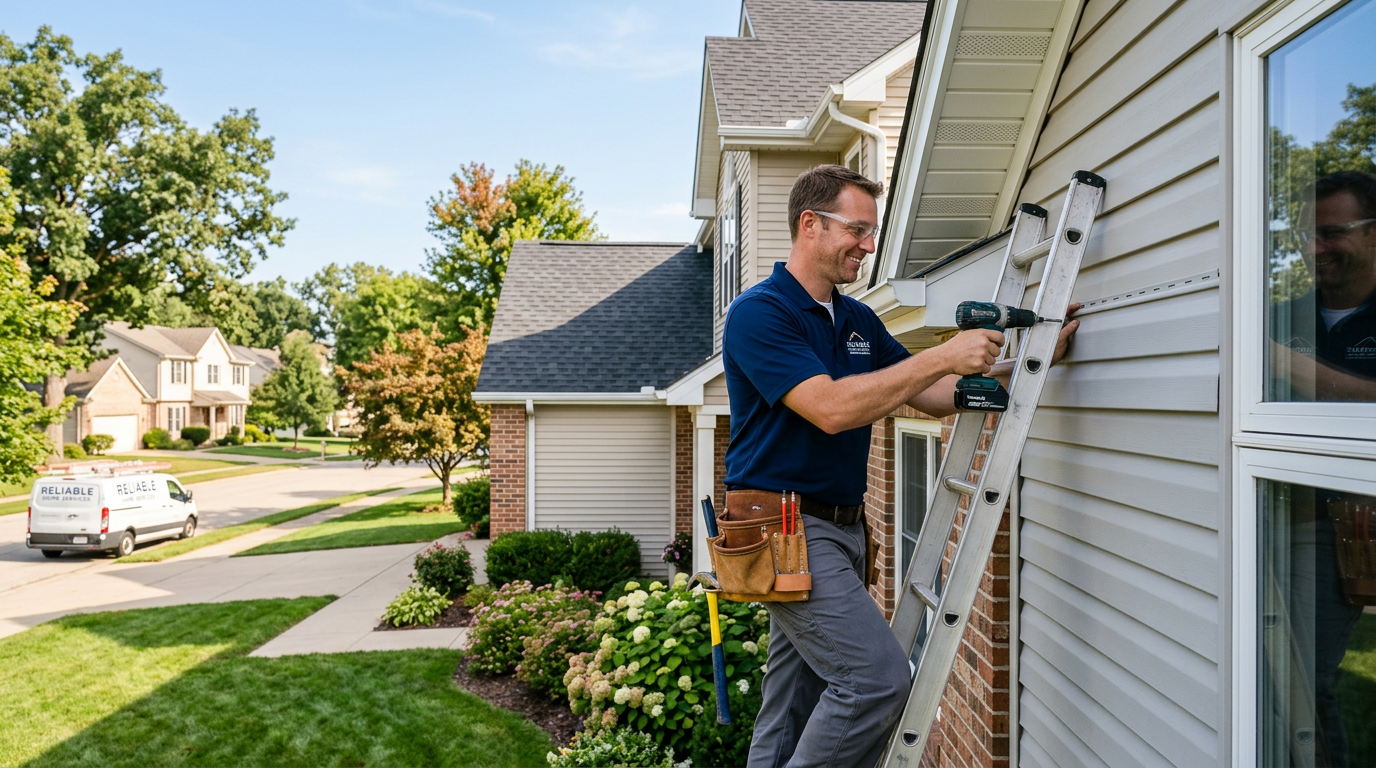
Next, don’t forget the upfront cash to make the home livable. [B-roll: moving boxes, paint cans, tools] Even a “move-in ready” house usually needs blinds, cleaning, small repairs, or appliances. A simple buffer can keep your first month from becoming a financial scramble.
KEY POINT 3
Then there’s the monthly cost increase after closing. [B-roll: split screen of rent vs mortgage bill] Your mortgage payment may also include property taxes and homeowners insurance, and those can change over time. If you’re using an HOA community, add that fee too.
KEY POINT 4
Finally, build in a repair fund. [B-roll: leaky faucet, HVAC filter, home maintenance checklist] Once you own the place, the landlord is you. Experts often recommend keeping money set aside for maintenance so a broken water heater doesn’t wreck your budget.
CTA
Before you start house hunting, run the full number — not just the down payment. [B-roll: buyer using calculator and notepad] If you want, I can help you build a simple first-time buyer budget checklist next.