HOOK
Thinking a home inspection is just a formality? It’s not. A few small clues can point to thousands in repairs after closing.
[Quick cuts of a cracked foundation, damp basement, and inspector flashlight under a sink]
KEY POINT 1
First, look for moisture. Stains on ceilings, musty smells, warped baseboards, or soft drywall can signal leaks, past flooding, or hidden mold.
[Close-up of water stain on ceiling and a hand pressing near a window frame]
KEY POINT 2
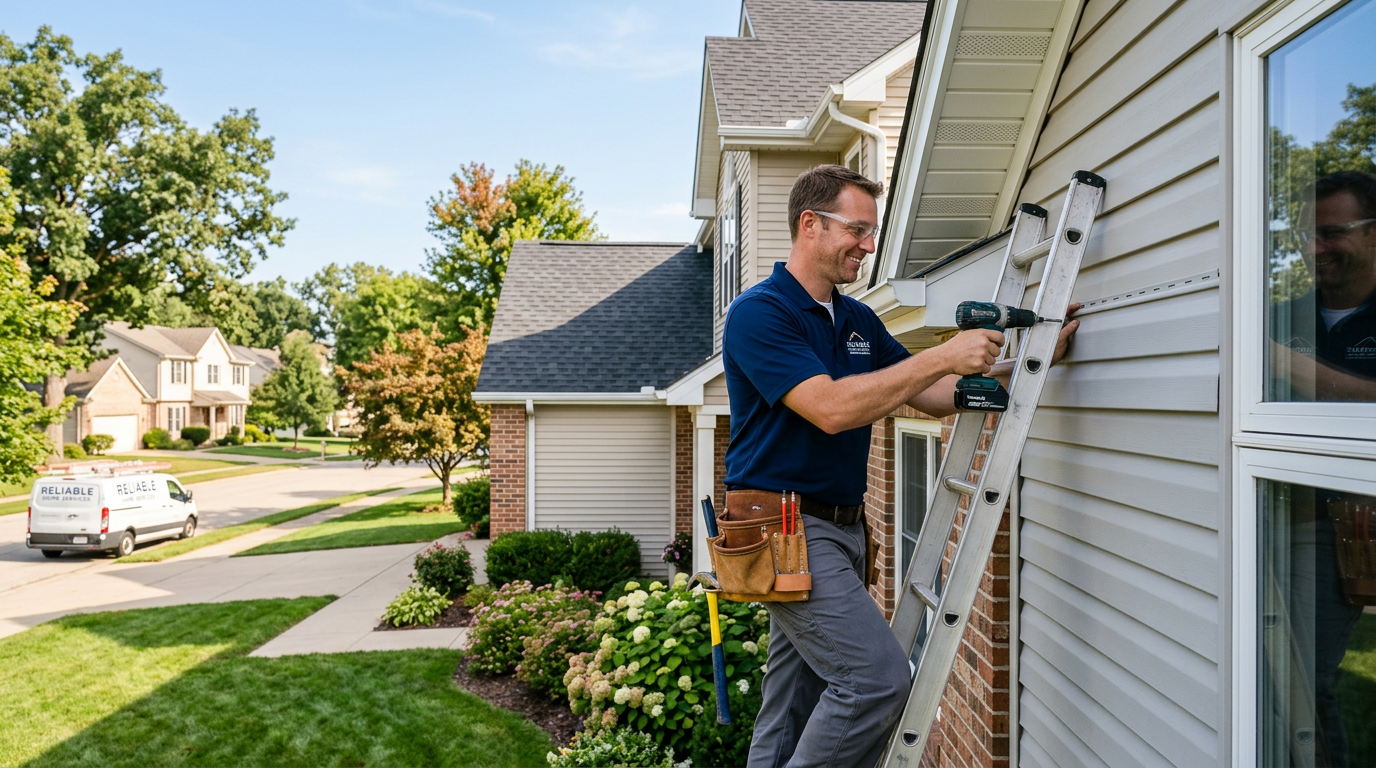
Second, check the roof and exterior. Missing shingles, sagging gutters, cracked siding, or rotten trim can mean water is getting in now—or soon will be.
[B-roll of roof shingles, gutter overflow, and peeling paint around trim]
KEY POINT 3
Third, pay attention to the electrical and plumbing. Outdated panels, flickering lights, slow drains, and low water pressure can be signs of expensive updates.
[Inspector testing outlets, faucet running slowly, breaker panel close-up]
KEY POINT 4
Finally, don’t ignore the foundation. Small cracks are common, but wide cracks, sloping floors, or doors that stick can point to settling or structural issues.
[Footage of floor level, door rubbing frame, and foundation crack close-up]
CTA
Before you waive an inspection or rush to close, ask the inspector what needs immediate attention, what can wait, and what could affect your negotiating power. Save this for your home search.
[On-screen text: “Inspection first. Regret later.”]