HOOK
Thinking your mortgage payment is the only big number you need to budget for? That’s a common mistake—and it can make a home feel much more expensive than you expected.
[B-roll: first-time buyer looking at listing, calculator, closing documents]
KEY POINT 1
First, there are closing costs. These can include lender fees, title insurance, appraisal costs, and recording charges. A good rule of thumb: expect to pay more than just your down payment at the closing table.
[B-roll: hands signing paperwork, stamps, keys on a desk]
KEY POINT 2
Second, don’t forget property taxes and homeowners insurance. In many loans, these are added to your monthly payment through escrow, which means they can change the real cost of owning the home over time.
[B-roll: tax bill, insurance policy, home exterior]
KEY POINT 3
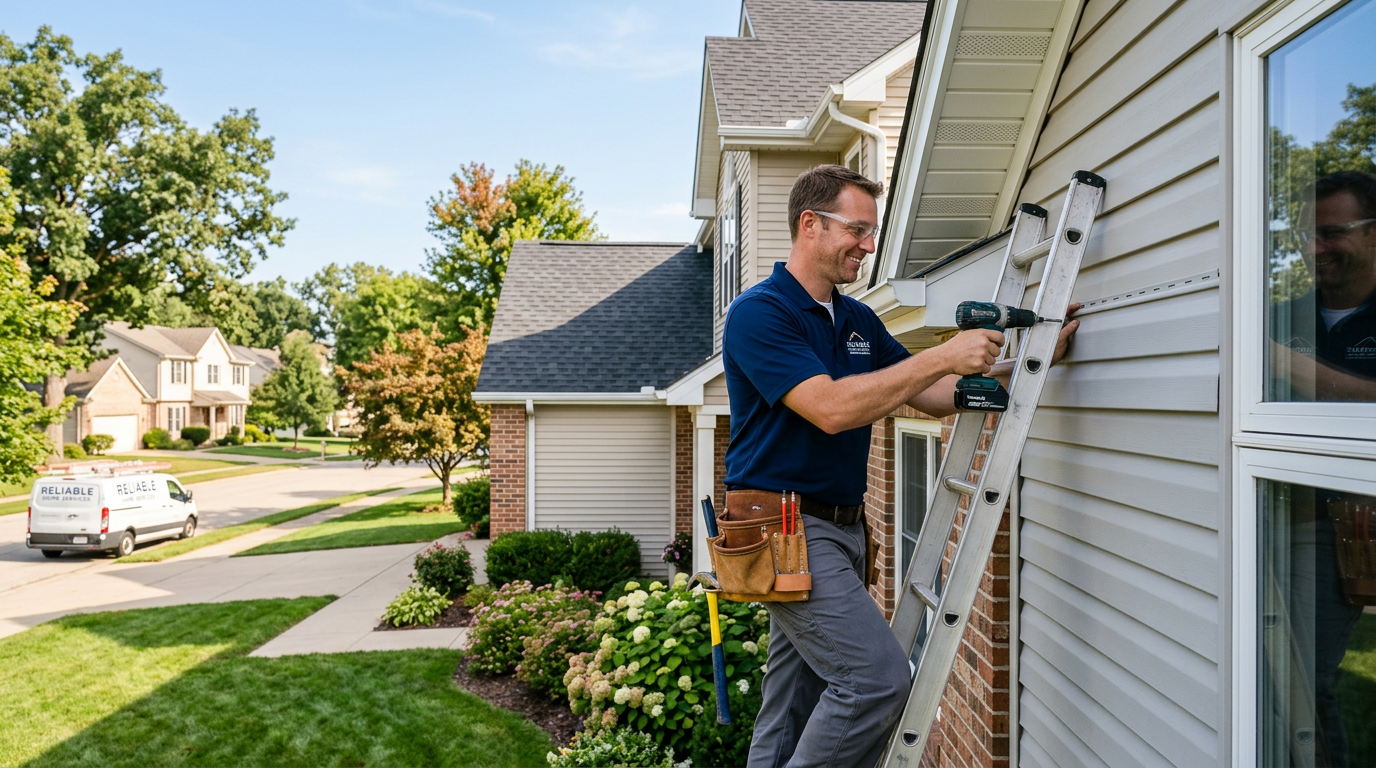
Third, budget for move-in and repair costs. Even a well-maintained home may need paint, cleaning, new locks, appliances, or small fixes. If you use all your cash to buy, those first few weeks can get stressful fast.
[B-roll: moving boxes, paint roller, handyman tools]
KEY POINT 4
And finally, leave room for a starter emergency fund. Once you own the home, something always comes up—a leak, a broken water heater, or a surprise service call. A small cushion can save you a lot of stress.
[B-roll: emergency savings jar, plumber at work, homeowner checking furnace]
CTA
If you’re buying soon, make a full homeownership budget before you tour houses. Want a simple checklist? Follow for more practical real estate tips that help you buy with confidence.
[B-roll: checklist on screen, subscribe/follow graphic]