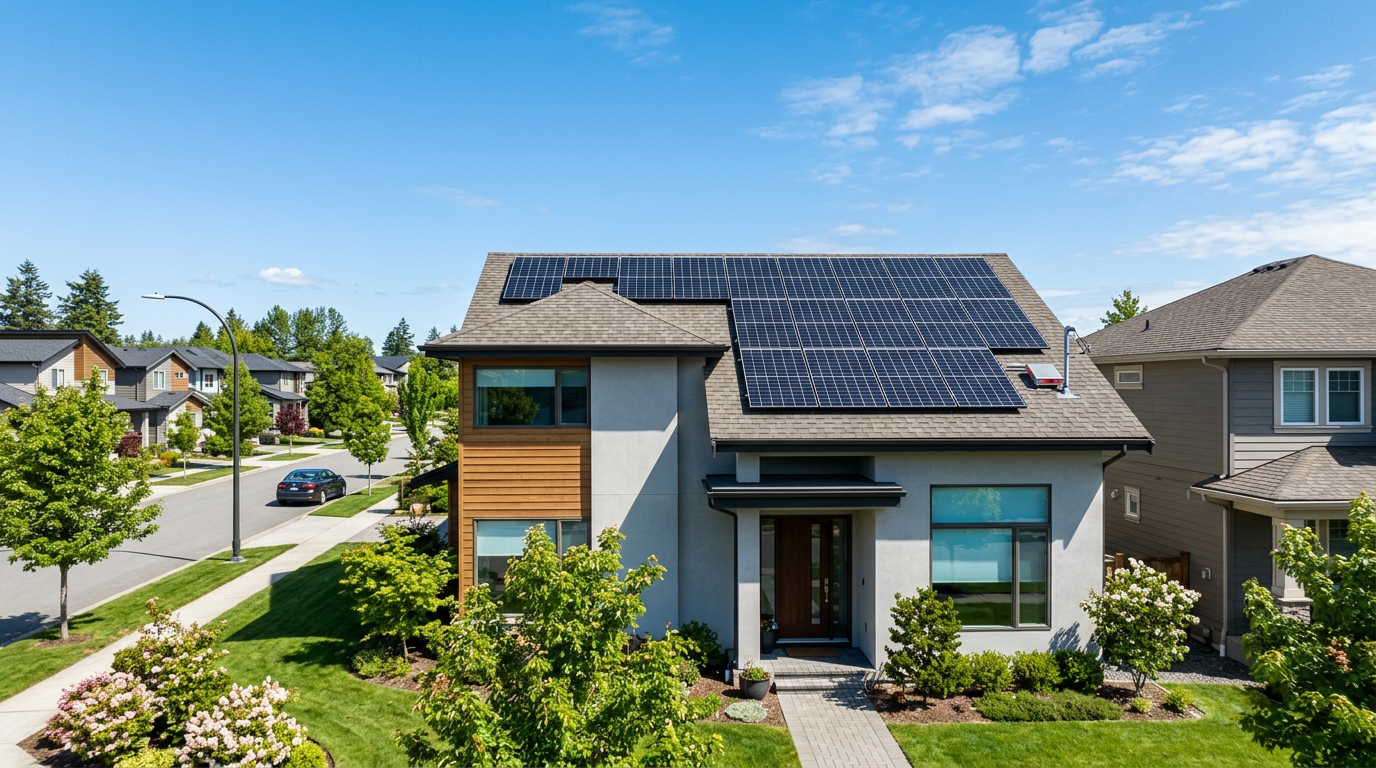
If you’re shopping for home solar, the lowest quote is not always the best deal. Solar proposals can look similar at first glance, but they often hide important differences in equipment quality, warranty coverage, financing terms, and the work included in the installation.
The goal is not to find the cheapest number on the page. It is to understand exactly what each quote includes so you can compare offers on equal terms. That matters because solar is a long-term home investment, and small differences up front can affect performance, maintenance, and your experience after installation.
Start with the system basics
Before comparing anything else, make sure each quote clearly states the core system details. If a proposal is vague here, ask for an updated version in writing.
- System size: usually listed in kilowatts (kW). Make sure every quote is sized for a similar amount of expected production.
- Panel model: the brand and model should be named, not just described as “premium” or “high efficiency.”
- Inverter type: whether the system uses a string inverter, microinverters, or an optimizer-based setup can affect monitoring and design flexibility.
- Estimated production: this should be based on your roof, location, and shading, not a generic estimate.
- Layout assumptions: note whether the quote assumes south-facing panels, roof replacements, tree trimming, or other conditions.
Two quotes can have the same system size but very different equipment. If one uses a less expensive panel or inverter, the headline price may not tell the whole story.
Look beyond the headline price
Solar quotes often separate costs in ways that make comparison tricky. One proposal may bundle permits, engineering, and monitoring into one price, while another lists them as extras. Ask each installer to show you what is included and what could change before work begins.
Watch for common add-ons or exclusions
- roof repairs or roof replacement
- electrical panel upgrades
- permit and interconnection fees
- monitoring hardware or apps
- critically important site work, such as trenching or battery backup wiring
If a quote seems much lower than the others, check whether it leaves out a cost you are likely to face later. A transparent proposal should make the scope of work easy to understand.
Compare warranties and service terms
Solar equipment is designed to last, but warranties vary. Some cover only the panels, while others also cover labor, workmanship, and system monitoring. These differences matter if a component fails or the installation needs adjustment after the crew leaves.
Ask each company to explain the following in plain language:
- Panel warranty: covers defects in the solar modules.
- Inverter warranty: may be shorter than the panel warranty and can affect future repair costs.
- Workmanship warranty: covers installation-related problems such as roof leaks or wiring issues.
- Transferability: whether warranties can move to a future homeowner if you sell the house.
- Service process: who handles troubleshooting, how quickly they respond, and whether support is in-house or outsourced.
Tip: A strong warranty is useful only if the company will still be around and reachable later. Ask how service claims are handled, not just how long the warranty lasts.
Understand financing terms, not just monthly payments
Many solar buyers focus on the monthly payment, but financing details can change the real cost and the long-term value of the offer. A low monthly payment may come with a longer term, higher total finance charges, or different incentives depending on how the system is purchased.
When reviewing financing, compare:
- Cash purchase: usually simplest if you can pay upfront and want to avoid financing terms.
- Loan type: fixed-rate and variable-rate loans do not behave the same over time.
- Dealer fees or origination fees: these can be built into the quote.
- Prepayment terms: check whether extra payments reduce interest as expected.
- Tax credit handling: confirm whether the quoted payment assumes you will receive a federal tax credit and whether that affects the payment structure.
If a salesperson emphasizes the payment more than the full contract terms, slow down and ask for the loan documents before signing. You want to know what happens if you pay off early, sell the home, or decide to refinance later.
Check the installer’s track record and process
Even a well-designed system depends on the quality of the installer. A careful company should be able to explain its process from site survey to final permission to operate, and it should be willing to provide references or reviews you can verify independently.
Useful questions to ask include:
- Who performs the installation: company employees or subcontractors?
- Will the company handle permits and utility interconnection?
- How long does the typical project take in your area?
- What happens if the utility requires changes after installation?
- How are post-installation issues reported and resolved?
It also helps to ask whether the quote includes a site visit. A proposal based only on satellite images can be a starting point, but a roof inspection and electrical review can reveal issues that affect the final design.
Use a side-by-side checklist before you decide
When you have two or three proposals in hand, compare them using the same checklist. That keeps the conversation focused on value rather than sales pressure.
- Confirm that each quote uses the same system size or expected production target.
- Compare equipment models, not just brand names.
- Review all included labor, permits, and upgrades.
- Read warranty terms for panels, inverters, and workmanship.
- Compare financing terms, fees, and prepayment rules.
- Ask how service and maintenance are handled after installation.
If one proposal stands out, try to learn why. A higher price may reflect better equipment, more complete workmanship coverage, or a more straightforward contract. A lower price may still be a good option if it is clear and complete. The key is to compare like with like.
Final take
Solar quotes can be easy to skim and hard to compare. By checking the equipment, exclusions, warranties, financing, and installer support, you can get a much clearer picture of what each offer really means.
Before you move forward, compare a few options side by side and ask for any unclear terms in writing. That extra step can help you choose a solar proposal that fits your home, budget, and expectations.