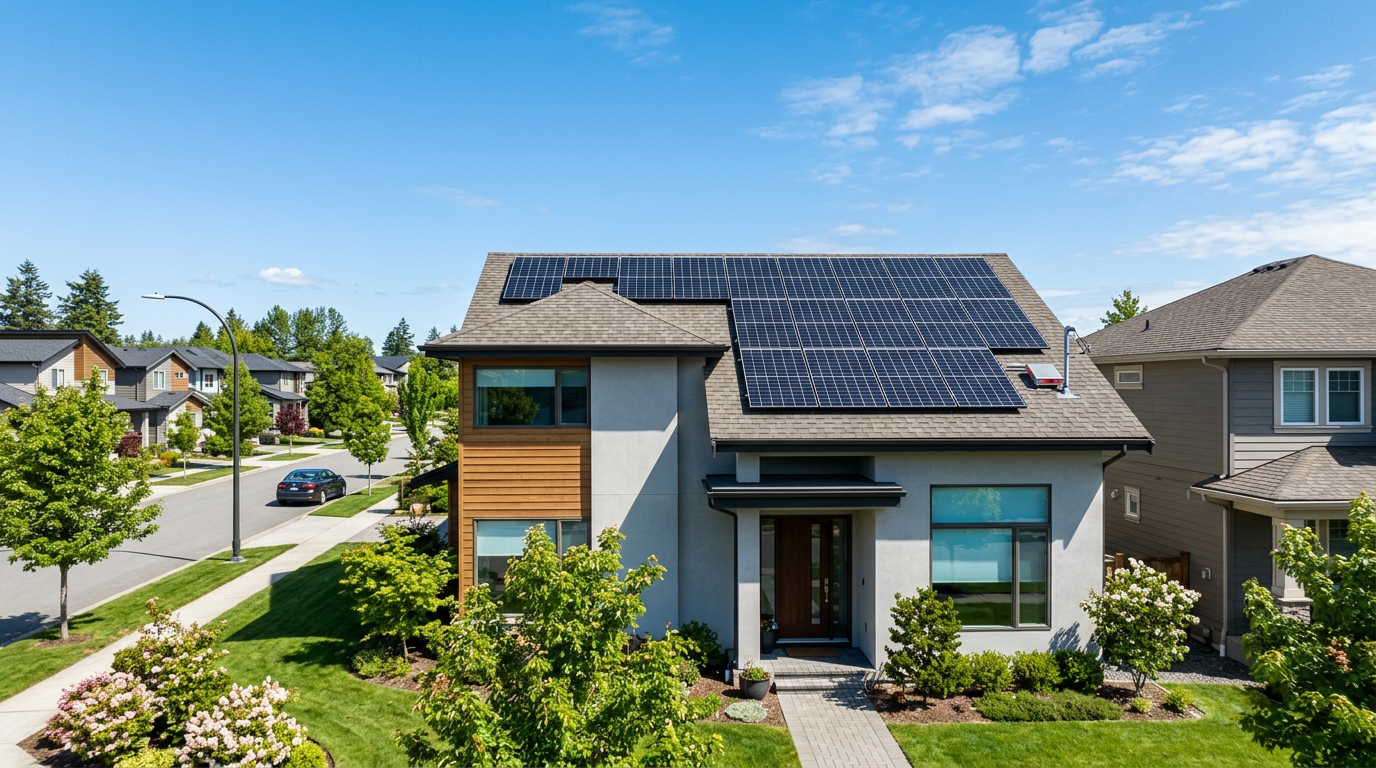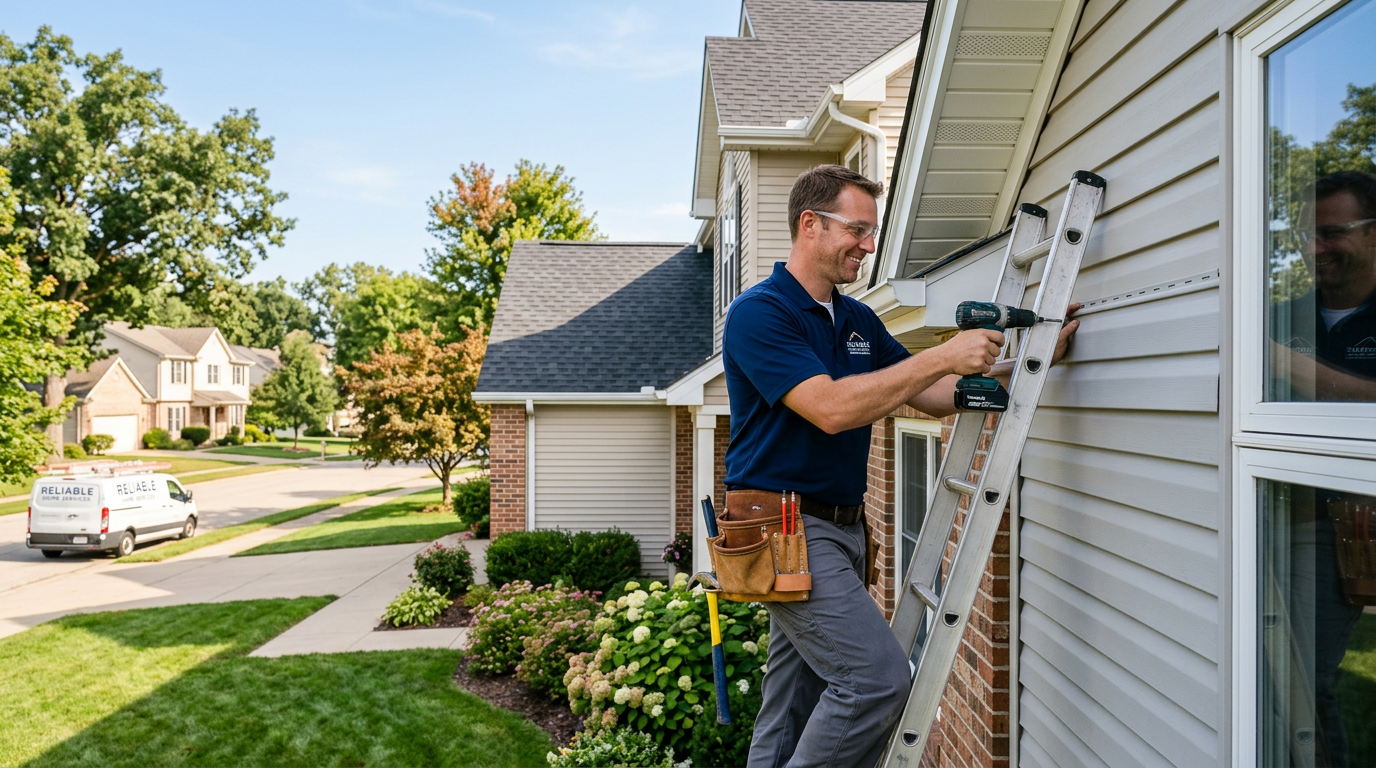
If you are shopping for home solar, the quote is only the starting point. Two proposals can look similar on paper while differing in equipment quality, warranty coverage, financing terms, and how much of the project the installer actually handles. Knowing what to compare can help you narrow the field before you sign anything.
This guide focuses on the parts of a solar quote that most directly affect your experience as a homeowner in the U.S. It is not about chasing the lowest headline price. It is about understanding what you are being offered, what is included, and where the fine print matters.
Start with the system design, not the price
A good solar quote should explain the system size in a way that matches your home’s actual energy use. Look for the estimated system size, panel count, expected annual production, and the assumptions behind those numbers. If a proposal seems much larger or smaller than the others, ask why.
It also helps to check whether the proposal reflects your roof’s real conditions. Shade, roof angle, roof age, and available space all influence how well a system will perform. A careful installer should discuss these constraints instead of glossing over them.
Questions to ask about system design
- How was my household’s energy usage used to size the system?
- What production estimate are you using, and what assumptions support it?
- How much of my roof will the array cover?
- Will any trees, vents, chimneys, or dormers affect output?
Compare the equipment, not just the brand names
Solar quotes often mention panel and inverter brands, but the details matter. Panels can vary in efficiency, size, degradation rate, and warranty terms. Inverters and related hardware determine how the system converts and tracks electricity, which can affect reliability and monitoring.
Ask whether the quote uses string inverters, microinverters, or power optimizers, and why that setup was chosen for your roof. There is no universal best option; the right answer depends on shading, roof layout, and design goals. A trustworthy proposal should explain the choice in plain language.
Do not compare equipment by brand alone. Two systems from the same manufacturer can still differ in warranty length, monitoring features, and expected performance.
Equipment details worth checking
- Panel brand and model
- Inverter type and warranty
- Panel efficiency and physical size
- Product warranty versus performance warranty
- Monitoring system included or extra
Read the warranty section carefully
Solar systems usually come with more than one warranty, and they do not all cover the same thing. You may see a manufacturer warranty on the panels, a separate warranty on inverters, and an installer workmanship warranty. These are important to distinguish because one company may cover repairs that another leaves to you.
Look for the length of each warranty and what triggers a repair or replacement. Also ask who you contact first if something goes wrong. A long warranty is useful only if the company is reachable and the terms are clear.
If the proposal mentions a performance guarantee, read it closely. Some guarantees apply only under specific conditions or may involve service credits rather than direct repairs. It is better to understand the remedy before you need it.
Do not overlook financing and contract terms
Financing can change the real cost of a solar project as much as the equipment choice. Whether you are considering cash, a loan, or a lease or power purchase agreement, compare the contract structure carefully. Monthly payment plans can be easier to manage, but they may include fees, interest, or escalators that are not obvious at first glance.
For loans, ask about the interest rate, term length, dealer fees, and whether there are prepayment penalties. For leases and power purchase agreements, review how payments may change over time and what happens if you sell your home. The best option depends on your goals, tax situation, and how long you expect to stay in the house.
Financing items to compare across quotes
- Upfront payment versus financed amount
- Interest rate and any dealer or origination fees
- Monthly payment structure and escalation clauses
- Transferability if you move
- Ownership of the system and eligibility for incentives
Check installation scope, timeline, and service
Not every quote includes the same scope of work. Some installers handle permitting, utility interconnection, roof work, electrical upgrades, and inspections. Others may charge separately for items discovered later, such as a panel upgrade or additional conduit work. Make sure the proposal says what is included and what could create extra charges.
Timeline also matters. Ask how long permitting and installation typically take in your area, but keep in mind that local utility and municipal processes can add delays. A realistic timeline is usually more helpful than an overly optimistic one.
Service after installation is another important comparison point. Find out whether the installer has a local service team, how monitoring issues are handled, and what the process is for warranty claims. Solar is a long-term purchase, so post-install support should be part of the decision.
Use installer reputation as part of the comparison
Price and equipment matter, but so does the company behind the proposal. A well-priced system can become frustrating if communication is poor or the work is incomplete. Look for evidence that the installer has experience with homes like yours and operates in your area.
Review recent customer feedback with care, especially comments about communication, cleanup, permitting, and follow-up service. Ask whether the company uses its own crews or subcontractors, and who will be your main point of contact throughout the project. A direct answer is usually a good sign.
Before deciding, it can help to get more than one quote and compare them line by line. That makes it easier to spot missing items, unclear terms, or a proposal that looks attractive only because something important was left out.
Make your final choice with a comparison checklist
When you are ready to narrow the field, use the same checklist for every quote. That keeps the process organized and makes differences easier to see.
- System size and expected production
- Panel, inverter, and monitoring equipment
- Warranties and service coverage
- Contract type and financing terms
- Installation scope and timeline
- Installer experience and responsiveness
If two proposals still look close, ask each company to explain the differences in writing. The best solar quote is not always the cheapest or the most polished. It is the one that clearly shows what you are buying, who is responsible for the work, and how the system fits your home.
Comparing your options carefully takes a little extra time, but it can make the buying process much clearer. If you are still deciding, line up a few quotes and compare them side by side before moving forward.