HOOK
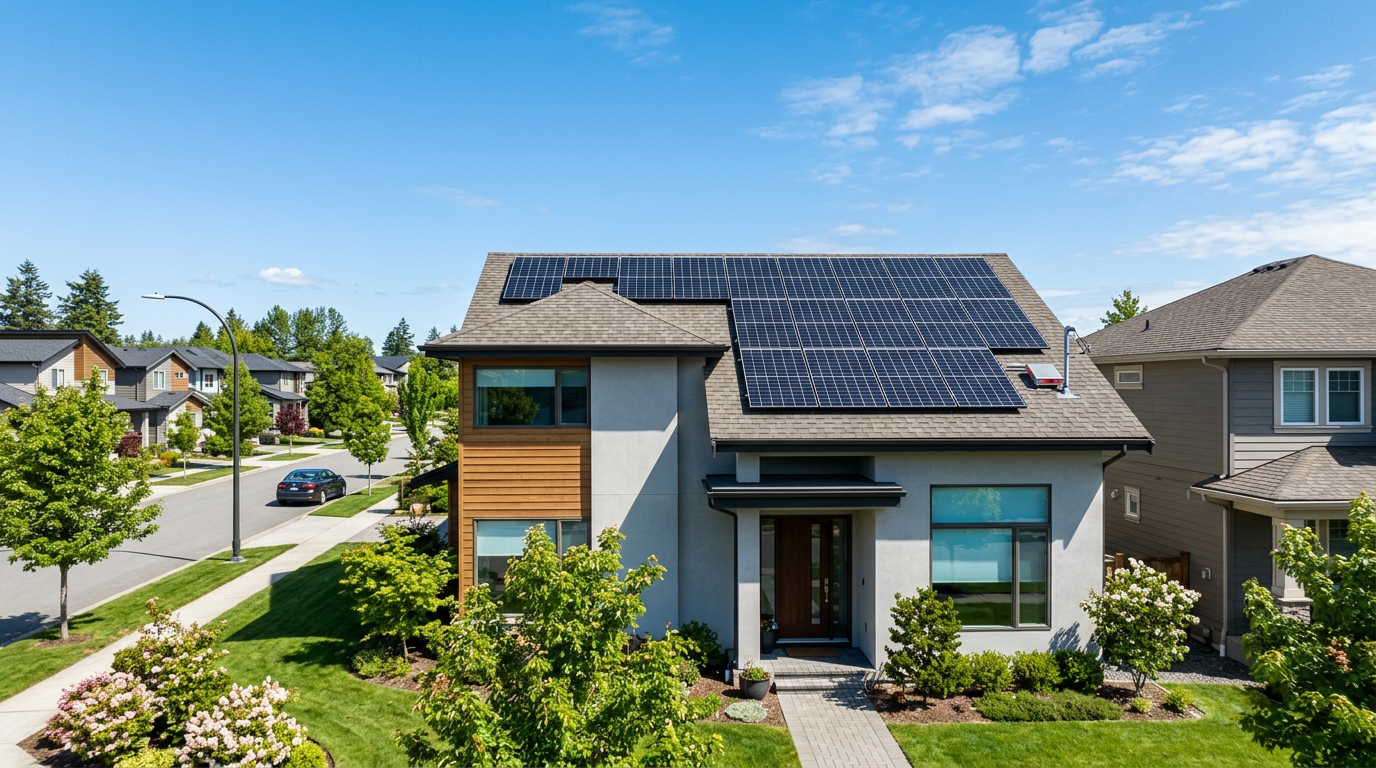
Think your solar panels stop working when it gets cold? [B-roll: snowy roof with solar panels and sunlight breaking through clouds] Not exactly. Winter changes solar production, but the reasons are probably not what you’d expect.
KEY POINT 1
First: solar panels usually work better in cold temperatures. [B-roll: close-up of panels on a crisp winter morning] Heat can reduce efficiency, so a sunny, cold day can still produce solid power.
KEY POINT 2
Second: snow is the bigger problem. [B-roll: light snow sliding off tilted panels] A thin layer may melt or slide off fast, but heavy buildup blocks sunlight until the panels clear.
KEY POINT 3
Third: shorter days mean less total energy. [B-roll: sunset arriving early over a suburban home] Even if the panels are efficient, fewer daylight hours usually means lower daily output in winter.
KEY POINT 4
Finally, panel angle matters. [B-roll: technician checking roof pitch and panel tilt] A steeper tilt can help snow shed faster and catch more low winter sun, which is why system design matters year-round.
CTA
If you’re considering solar, don’t judge it by summer alone. [B-roll: homeowner reviewing a solar estimate on a tablet] Check how your system is sized for winter, snow, and shade so you know what to expect all year. Follow for more practical energy tips.