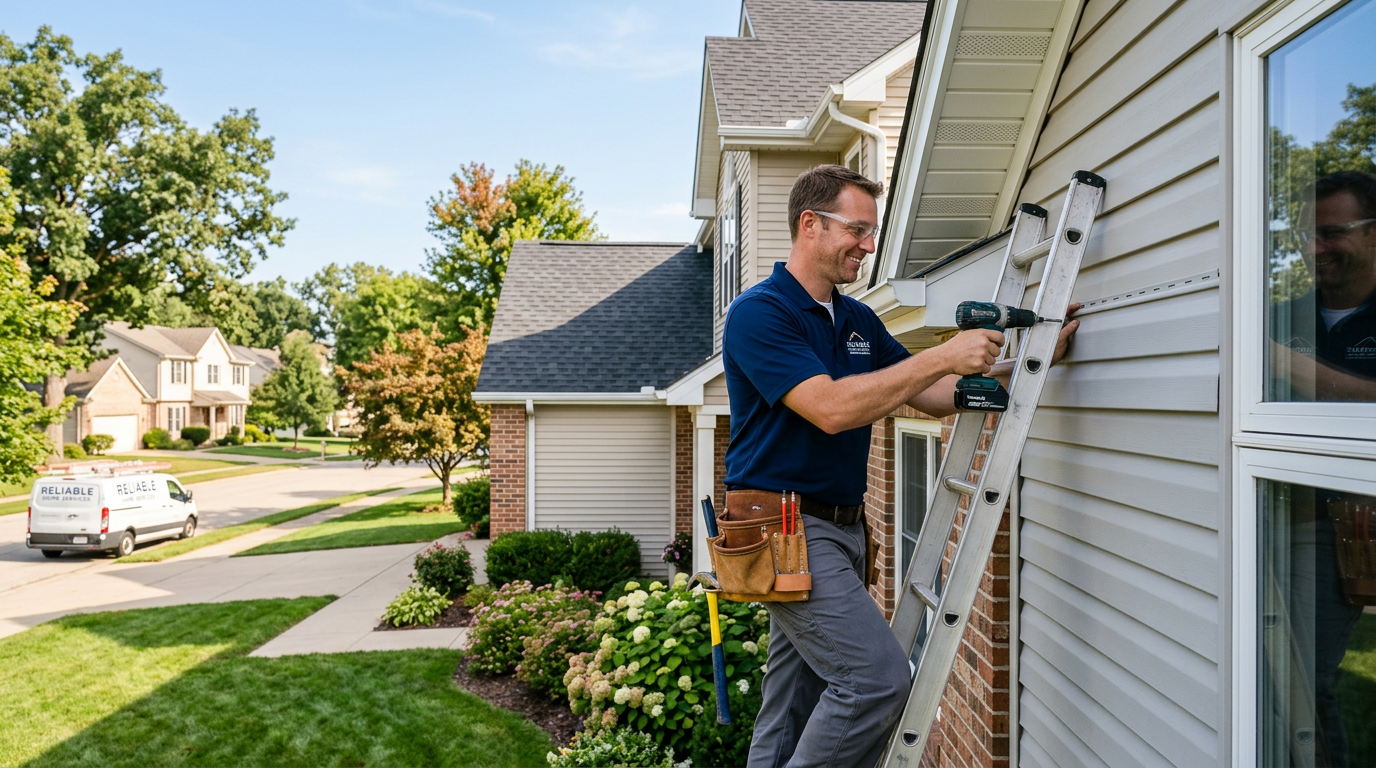
HOOK
Thinking a home inspection means you’re safe from expensive surprises? Not exactly. An inspection is a smart buying tool—but it has limits.
[B-roll: inspector checking attic, outlet, and roofline]
KEY POINT 1
First, a standard home inspection is a visual check. The inspector looks at major systems like the roof, plumbing, electrical, HVAC, foundation, and overall condition.
[B-roll: inspector taking notes, close-up of electrical panel]
KEY POINT 2
Second, inspectors are not magic detectors. They usually can’t see behind walls, predict future failures, or guarantee that every issue will be found—especially hidden water damage or intermittent problems.
[B-roll: water stain on ceiling, wall with furniture pushed aside]
KEY POINT 3
Third, the report is your bargaining tool. If it turns up repairs, you can ask for a credit, request fixes, or walk away if the contract allows it. The report helps you decide what’s worth negotiating.
[B-roll: buyer reviewing report on laptop, contract paperwork, calculator]
KEY POINT 4
And finally, know when to add specialists. If the home has an older roof, signs of mold, or a questionable foundation, bring in a roofer, mold assessor, or structural expert for a deeper look.
[B-roll: specialist at roof, moisture meter, foundation crack close-up]
CTA
Before your next home purchase, treat the inspection as a roadmap—not a guarantee. Want more buyer tips like this? Follow for practical real estate advice that helps you shop smarter.
[B-roll: smiling homebuyer at closing table, on-screen text: “Inspect. Negotiate. Decide.”]